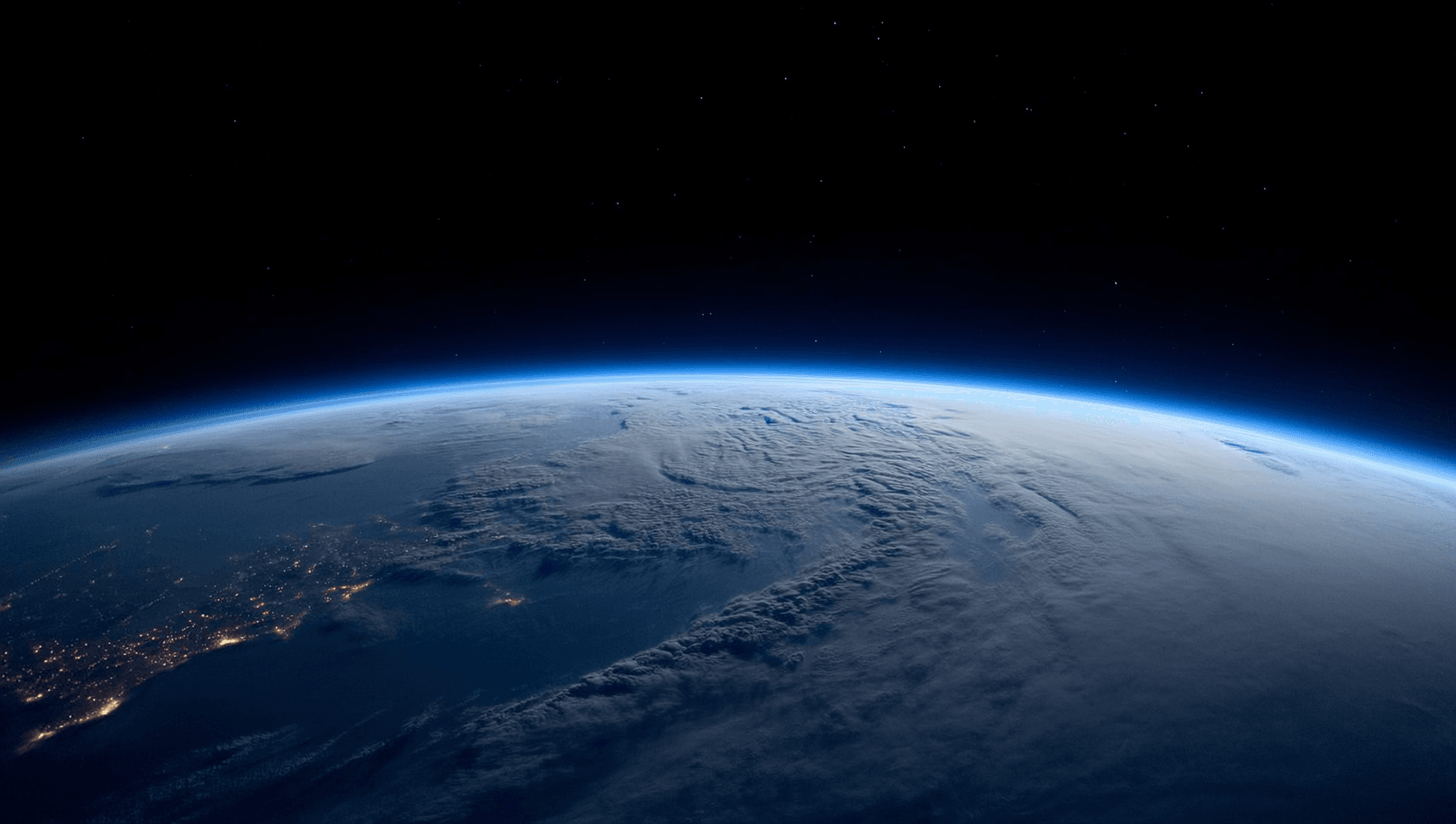
Earth
The ocean world we call home.
Earth is the only known planet with life, liquid surface water and a protective atmosphere that shapes a living climate system.
Earth's mission record is both exploration and self-observation: satellites, crewed stations and deep-time climate records turn the home planet into the atlas baseline.
- Orbit
- 1 Earth year
- Scale
- 1x Earth radius
- Solar distance
- 1 AU
- Mission records
- 4 featured
Telemetry
Planet profile
Instrument readouts calibrated against the solar system reference frame.
- Order
- #3
- Channels
- 06
- Sources
- 01
- RadiusRAD-01
- 6.4K km
- 6,371 km
- Distance from SunHEL-02
- 149.6M km
- 1x Earth's orbit in the map scale
- Orbital periodORB-03
- 1 Earth year
- 365.25 Earth days
- Day lengthROT-04
- 1 Earth day
- 24 hours
- MoonsSAT-05
- 1 known moon
- Confirmed natural satellites
- GravityGRV-06
- 9.8 m/s^2
- Surface or cloud-top gravity
Authored fact sources
Atlas media frame
Home world instrument panel
A reserved frame for cloud mosaics, night lights, ocean color and orbital station photography.
Orbital Loop / Cinematic Probe
Media gallery
Curated visual storyboard
Planet-specific frames pair approved imagery with orbital views, science overlays and mission-ready close passes for the generated asset layer.
2026-06-12
Observation composite
Whole-Earth Weather Disc
Cloud systems, oceans and continents form the atlas reference for every other world.
NASA Blue MarbleData plate
Night-Side Civilization Layer
A future layer for city lights, aurora, lightning and orbital station passes.
NASA Earth Observatory night lights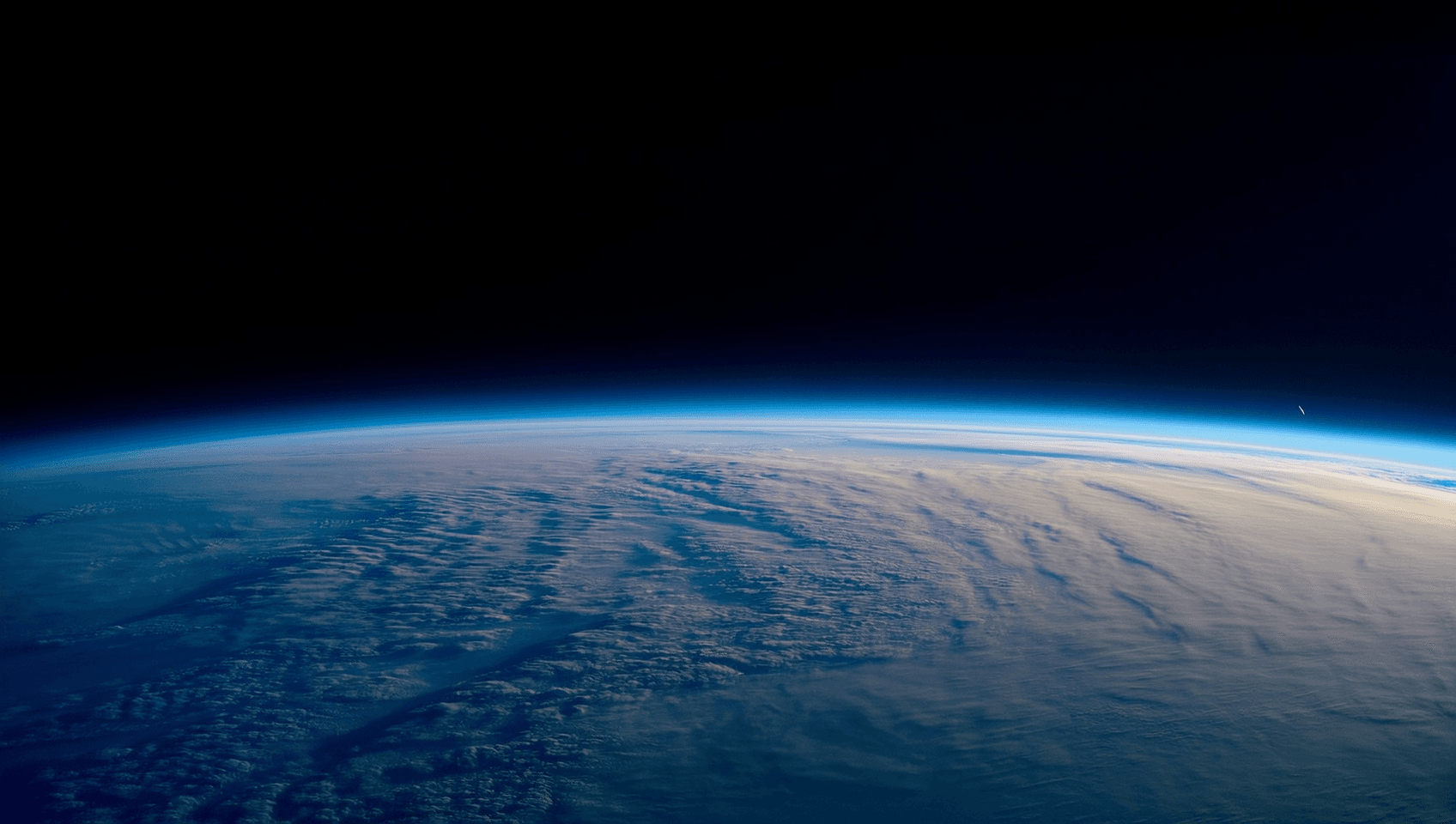
Science plate
Ocean Color Baseline
A biosphere-oriented media frame for water, atmosphere and climate comparisons.
Approved generated asset seedSource families
Editorial anchors for the frame-level source links above.
Studio output
Generated asset vault
Completed Higgsfield generations for Earth now flow back into the planet profile as reusable stills, motion plates and prompt-ready campaign records.
Scale / orbit
Earth reference instruments
Radius, gravity, rotation, and heliocentric placement resolved against Earth and the outer-system range.
Radius comparator
1x Earth radius
Earth
1x radius
Earth
1.00x radius
- Reference
- Earth radius
- Scale reading
- 1.00x
- Surface gravity
- 9.8 m/s^2
Orbital placement
1 AU from the Sun
- Distance
- 149.6M km
- Solar order
- #3
- AU ratio
- 1.00 AU
Gravity
9.8 m/s^2
Day length
1 Earth day
Atmosphere
Composition and environmental character
Earth's nitrogen-oxygen atmosphere moderates temperature, shields the surface and drives the water cycle that keeps liquid oceans stable.
- Pressure
- 1 Earth atmosphere
- Weather
- Water-driven climate with jet streams, storms and seasons
Environmental shell
Pressure, weather and shielding layers
Earth's nitrogen-oxygen atmosphere moderates temperature, shields the surface and drives the water cycle that keeps liquid oceans stable.
Troposphere
Weather and water vapor
Most clouds, storms and climate feedbacks operate in this lower layer.
Stratosphere
Ozone shielding
Ozone absorbs damaging ultraviolet radiation and shapes thermal structure.
Magnetosphere
Solar wind deflection
The magnetic field protects the atmosphere and powers auroral displays.
Satellite system
Moons, rings and nearby targets
Earth's single large Moon stabilizes axial tilt, raises tides and preserves a record of impacts that the active Earth has erased.
1 confirmed natural satellite
Earth carries 1 known natural satellite in the core atlas dataset.
Moon
Rocky satellite
A tide-shaping companion and the only world beyond Earth visited by people.
Science priorities
Why Earth matters
The atlas treats every world as a live research case: geology, climate, interior structure and mission strategy are wired into the profile.
3 focus areas
Living ocean world
About 71% ocean cover
Earth is the only known planet with an active biosphere and stable surface oceans.
Plate tectonics
Active global recycling
The crust cycles carbon, builds continents and renews the surface over geologic time.
Climate observatory
Decades of satellite records
Earth observation links atmosphere, ice, land, oceans and human activity.
Missions
Earth mission dossier
Earth's mission record is both exploration and self-observation: satellites, crewed stations and deep-time climate records turn the home planet into the atlas baseline.
Featured stack
4 dated records connect this planet profile to exploration, observation and archival source links.
1957
Sputnik 1
Soviet space program / First artificial satellite
Opened the orbital era and made Earth a planet observed from space.
NASA Sputnik 11968-1972
highlightedApollo
NASA / Crewed lunar perspective
Returned whole-Earth views that reframed climate, oceans and habitability.
NASA Apollo 111972 onward
Landsat
NASA / USGS / Long climate and land record
Provides continuous multispectral monitoring of the changing surface.
NASA Landsat data1998 onward
International Space Station
International partners / Orbital laboratory
Runs microgravity science and Earth observation from low orbit.
NASA International Space Station