Saturn
A ringed gas giant with one of the most beautiful silhouettes in space.
Saturn is famous for its bright ring system and complex family of icy moons, including Titan and Enceladus.
Saturn's profile is ring dynamics plus moon chemistry: spacecraft have traced icy particles, methane weather and plume-fed ocean material.
- Orbit
- 29.5 Earth years
- Scale
- 9.1x Earth radius
- Solar distance
- 9.6 AU
- Mission records
- 4 featured
Telemetry
Planet profile
Instrument readouts calibrated against the solar system reference frame.
- Order
- #6
- Channels
- 06
- Sources
- 01
- RadiusRAD-01
- 58.2K km
- 58,232 km
- Distance from SunHEL-02
- 1.4B km
- 9.58x Earth's orbit in the map scale
- Orbital periodORB-03
- 29.5 Earth years
- 10,759 Earth days
- Day lengthROT-04
- 10.7 hours
- 10.7 hours
- MoonsSAT-05
- 146 known moons
- Confirmed natural satellites
- GravityGRV-06
- 10.4 m/s^2
- Surface or cloud-top gravity
Authored fact sources
Atlas media frame
Ring plane crossing
A reserved frame for Cassini ring movies, Titan haze views and Enceladus plume flythroughs.
Profile Plate / Atlas Editorial
Media gallery
Curated visual storyboard
Planet-specific frames pair approved imagery with orbital views, science overlays and mission-ready close passes for the generated asset layer.
2026-06-12
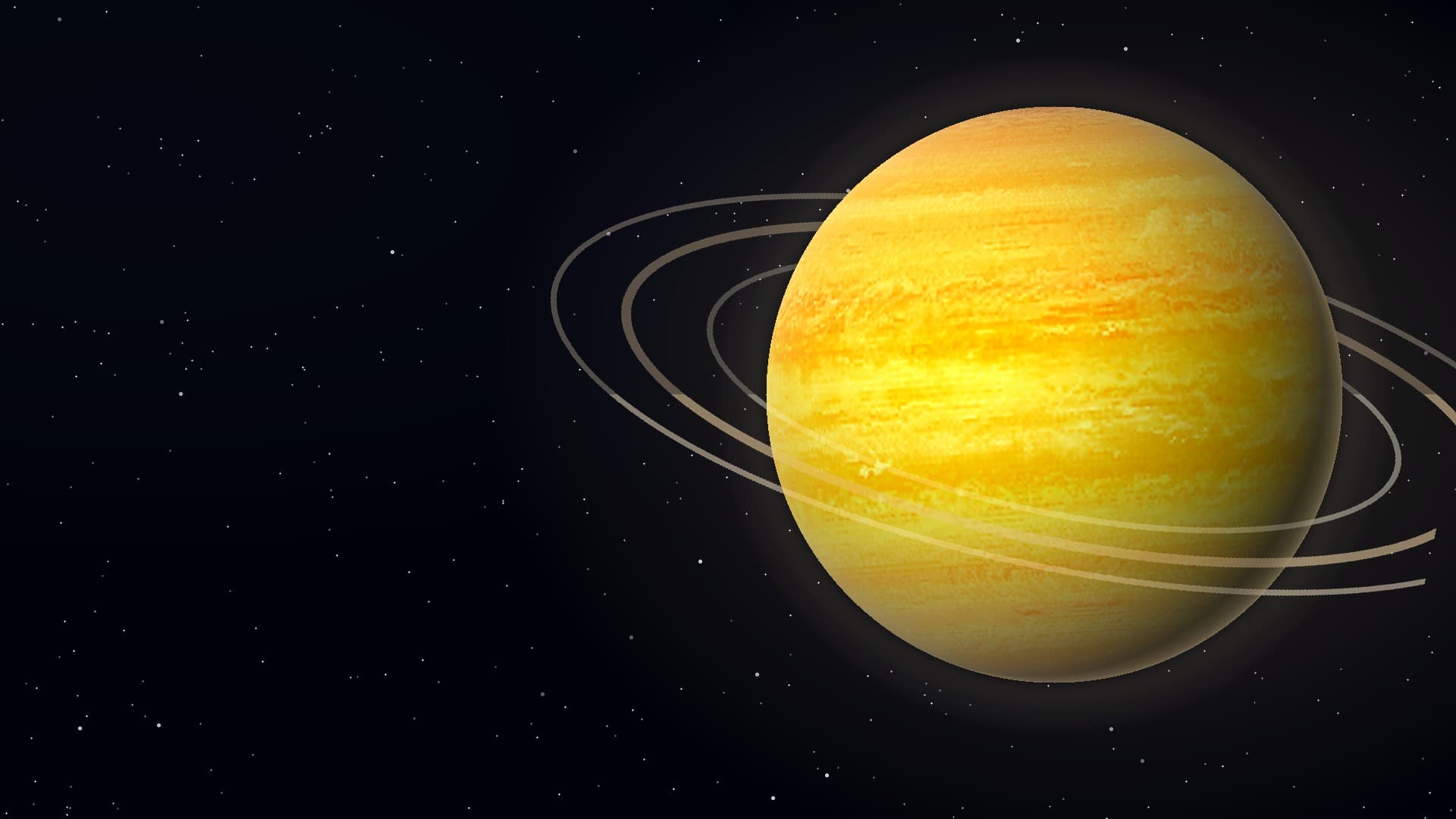
Orbital pass
Ring Plane Crossing
The ring system becomes a cinematic measurement layer for particle structure and gaps.
Approved generated asset seed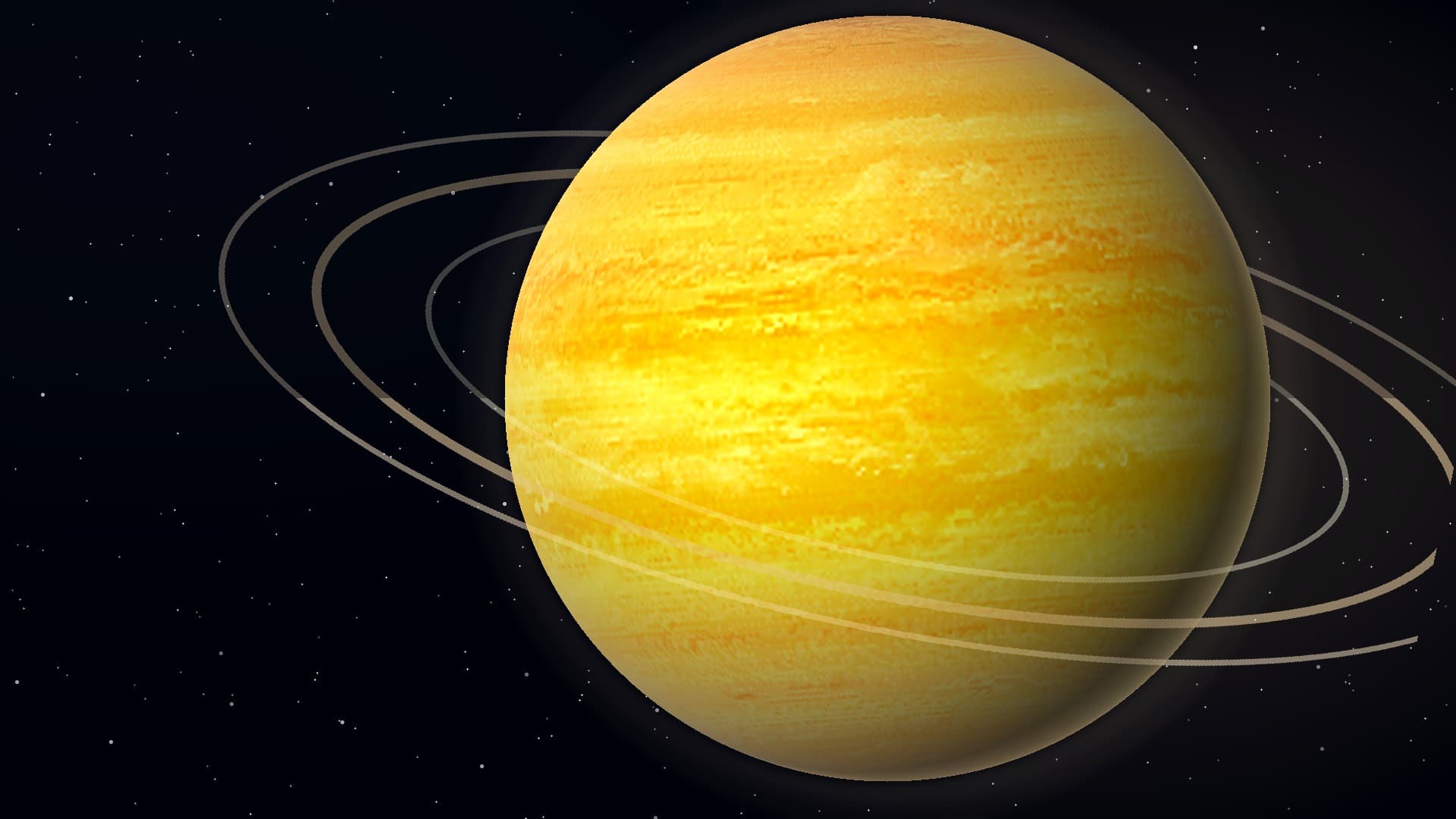
Moon campaign
Titan Haze Descent
A warm atmospheric plate for methane weather and Dragonfly-style surface targeting.
Approved generated asset seedOcean-world plate
Enceladus Plume Frame
South-polar jets bridge icy geology, chemistry and future sampling concepts.
Approved local textureSource families
Editorial anchors for the frame-level source links above.
Studio output
Generated asset vault
Completed Higgsfield generations for Saturn now flow back into the planet profile as reusable stills, motion plates and prompt-ready campaign records.
Scale / orbit
Earth reference instruments
Radius, gravity, rotation, and heliocentric placement resolved against Earth and the outer-system range.
Radius comparator
9.1x Earth radius
Earth
1x radius
Saturn
9.14x radius
- Reference
- Earth radius
- Scale reading
- 9.14x
- Surface gravity
- 10.4 m/s^2
Orbital placement
9.6 AU from the Sun
- Distance
- 1.4B km
- Solar order
- #6
- AU ratio
- 9.58 AU
Gravity
10.4 m/s^2
Day length
10.7 hours
Atmosphere
Composition and environmental character
Saturn's hydrogen-helium envelope is calmer in color than Jupiter but still hosts jet streams, polar vortices and immense seasonal storms.
- Pressure
- No true surface
- Weather
- Hexagonal polar jet, storms and banded winds
Environmental shell
Pressure, weather and shielding layers
Saturn's hydrogen-helium envelope is calmer in color than Jupiter but still hosts jet streams, polar vortices and immense seasonal storms.
Ammonia haze
Muted gold cloud deck
High hazes soften the contrast of Saturn's belts and zones.
Water storm layer
Rare planet-scale outbreaks
Seasonal storms can wrap around the planet and disturb the stratosphere.
Ring rain interface
Charged icy material
Material from the rings falls into Saturn and affects upper atmosphere chemistry.
Satellite system
Moons, rings and nearby targets
Saturn's moons range from planet-sized Titan to plume-spewing Enceladus and tiny shepherd moons that sculpt ring gaps.
146 confirmed natural satellites in the shared dataset
Saturn carries 146 known natural satellites in the core atlas dataset.
Titan
Atmospheric moon
Has lakes and seas of methane and ethane under a thick nitrogen atmosphere.
Enceladus
Ocean plume moon
Jets from its south pole carry salts and organics from a subsurface ocean.
Mimas
Cratered icy moon
Its huge Herschel crater shows the violence of impacts on small worlds.
Iapetus
Two-toned moon
Dark and bright hemispheres preserve clues about dust migration.
Science priorities
Why Saturn matters
The atlas treats every world as a live research case: geology, climate, interior structure and mission strategy are wired into the profile.
3 focus areas
Ring age puzzle
Icy particles and dust rates
Cassini measurements sharpened questions about whether the rings are young or renewed.
Ocean chemistry
Enceladus plume sampling
Plume grains provide direct access to material from an ocean below the ice.
Titan prebiology
Methane cycle
Titan's surface chemistry resembles a cold alternate Earth before biology.
Missions
Saturn mission dossier
Saturn's profile is ring dynamics plus moon chemistry: spacecraft have traced icy particles, methane weather and plume-fed ocean material.
Featured stack
4 dated records connect this planet profile to exploration, observation and archival source links.
1979
highlightedPioneer 11
NASA / First flyby
Provided the first close look at Saturn and helped target the Voyager encounters.
NASA Pioneer 111980-1981
highlightedVoyager 1 and 2
NASA / Ring and moon survey
Revealed ring structure, shepherd moons and Titan's thick haze.
NASA Voyager fact sheet2004-2017
highlightedCassini-Huygens
NASA / ESA / ASI / Orbiter and Titan lander
Mapped the rings, landed on Titan and sampled Enceladus plume material.
NASA Cassini-HuygensFuture
Dragonfly
NASA / Titan rotorcraft
Will investigate prebiotic chemistry from multiple Titan surface sites.
NASA Dragonfly